Blogs
-
in:
GWCT News Blog
under:
Farmland Ecology
Over the past two years, the kestrel monitoring project led by Dr Francis Buner set out to improve our understanding of the reasons behind the decline of the species.
-
in:
GWCT News Blog
under:
Farmland Ecology
A BBC News report from last week rightly celebrates the good news that two broods of three Montagu’s harriers have successfully fledged at a “secret location” in the south of England.
-
in:
GWCT News Blog
under:
Farming
, Farmland Ecology
, Grey partridge
On a surprisingly sunny afternoon during an otherwise extremely wet week in early June, a group of South Yorkshire farmers dedicated to grey partridge recovery gathered for a farm walk to celebrate their farmer cluster’s successes so far.
-

in:
GWCT News Blog
under:
Allerton Project
, Farmland Ecology
For barn owls, nesting sites have become an important factor in the life cycle. Loss of hollows in old trees through woodland clearance and replanting, the conversion of traditional barns on farmsteads to dwellings for humans, and the need for modern grain stores to be wildlife-free zones for food hygiene purposes have all contributed to the housing problem.
-
in:
GWCT News Blog
under:
Farmland Ecology
Wasps are widely disliked. Renowned as unforgiving and unnecessary, delivering stings which they have the cheek to survive, unlike our beloved bees, often doomed to a single, fatal defence. But what if these wasps were just as much a farmer’s ally as pollinating bees?
-

in:
GWCT News Blog
under:
Farmland Ecology
It’s hard to believe how quickly the last six months have passed. The placement has flown by in a busy whirl of tubing samples, identification, data entry and analysis, and the occasional bits of fieldwork. Since September, much of our time has been concentrated in the lab, learning key invertebrate identification skills whilst working through samples collected during last summer.
-
in:
GWCT News Blog
under:
Farming
, Farmland Ecology
, GWCT Scotland
, Policy
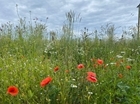
With nearly 70% of Scotland’s land used for agriculture, farmers will play a key role in addressing the biodiversity and climate crises. In order to document what habitats are present and their condition, NatureScot has been developing tools to help farmers to quantify their habitats and how they are performing.
-
in:
GWCT News Blog
under:
GWCT Scotland
, Farming
, Farmland Ecology
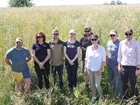
One aim of the PepsiCo FAB project is to enhance communication between project participants. Over the course of the project, this has been done in a number of ways including regular updates, building relationships and providing project-related training events.
-
in:
GWCT News Blog
under:
Farmland Ecology
, Nature
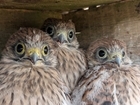
Unlike some of our more celebrated raptors, kestrels often slip under the radar, which makes understanding their needs, and finding practical ways to support them, all the more important.
-
in:
GWCT News Blog
under:
Farmland Ecology
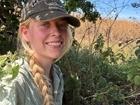
Every record we make, every flower counted, and every insect identified is part of a much bigger puzzle. Together, our research shows how farmland can be managed so that crops, wildlife, and people all thrive side by side.
Get the Latest News & Advice
Join over 100,000 subscribers and stay updated on our latest advice, research, news and offers.
*You may change your mind any time. For more information, see our Privacy Policy.