By Alex Keeble, Game and Wildlife Advisor (Central England)
As awareness grows around biodiversity loss and environmental change, many people across the UK are turning their attention to their own outdoor spaces. The good news is that you don’t need acres of land to make a difference, a small garden, patio, or even a balcony can become a haven for wildlife. By making a few thoughtful changes, you can transform your garden into a thriving, nature-friendly space that supports birds, pollinators, and other essential species.
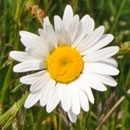 One of the simplest and most impactful steps is choosing as many native plants as possible. Plants such as hawthorn, elder, guelder rose, oak, rowan, foxglove, native wildflowers and fruit trees are particularly valuable. Designing a well-structured garden using only native species can be challenging, particularly when trying to achieve continuous flowering throughout the year. Because of this, incorporating non-native garden plants can be beneficial, as they help fill seasonal gaps and provide additional interest and resources for wildlife. Early spring flowers like crocus and primrose provide vital nectar for pollinators emerging from winter, while autumn bloomers such as ivy offer a late-season food source. By ensuring year-round interest, you create a consistent supply of resources for wildlife.
Bees, butterflies, and hoverflies play a crucial role in pollination, yet many species are in decline. A nature-friendly garden should prioritise nectar-rich plants like lavender, open cupped roses, sedum, verbena, salvia, nepeta, buddleia and flowering herbs such as sage and marjoram. Try to avoid highly ornamental double flowers, which often look beautiful but produce little usable nectar.
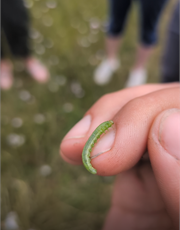 Wildlife needs more than food it also requires safe places to nest, hide, and rest. Traditional gardens that are overly tidy can lack the shelter that many species need. Introducing a few “messier” elements can make a big difference, this can include something as simple as a pile of rubble or brash in a corner. You can go a step further by allowing parts of your lawn to grow longer. Even a small patch of uncut grass filled with dandelions and clover can provide essential feeding opportunities for pollinators. Creating a mini wildflower meadow is an excellent way to boost biodiversity without requiring too much space but be aware of the potential extra labour incurred.
Consider planting hedges alongside fences but avoid plants such as laurel, thuya, leylandii and lonicera nitida. A mix of native hedgerow plants both deciduous and evergreen with other non-natives such as pyracantha and ceanothus can provide food, nesting sites, and protection from predators. Log piles and leaf litter can offer homes for insects, amphibians, and small mammals, while bird boxes and dense shrubs give birds secure places to nest. Leaving some dead plant stems standing through winter can also help insects survive colder months. These small changes create a layered habitat that supports a wide range of species.
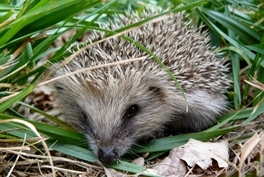
Diversity is key when it comes to supporting wildlife. Different species thrive in different conditions, so the more varied your garden is, the more life it will attract. Even in a small urban space, you can introduce variety through pots, vertical planting, or green walls. Hedgehogs are one of the UK’s most iconic species but have declined significantly in recent years. Gardens can play a crucial role in their recovery. Creating small gaps in fences—known as “hedgehog highways” allows them to move freely between gardens in search of food and mates. Water is a powerful attractor for wildlife. A small pond can become a hub for activity, drawing in frogs, newts, dragonflies, and birds. Even a half-barrel pond or a shallow container can have significant ecological value. If space is limited, a simple birdbath or bowl of fresh water will still provide an important resource.
 Creating a wildlife-friendly garden in the UK doesn’t mean sacrificing practicality. At home, my garden is divided into three functional areas for dining, children and dogs, and growing vegetables while still supporting a wide range of diverse plant species throughout. By planting native species and providing essentials such as food, shelter, and water, you can turn your outdoor space into a haven for wildlife. In return, you’ll enjoy a richer, more dynamic garden that evolves through the seasons, mirroring the benefits of habitat management seen across larger landscapes.
Photo credit: (2) Jayna Connelly