By Jenny Bussell, Head of Agri-Environmental Science at the Allerton Project
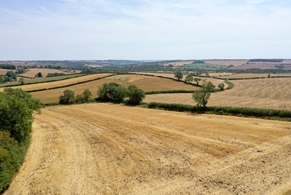 After a prolonged dry period, it is easy to forget that what is happening above ground is also affecting life beneath our feet. Earthworms are particularly sensitive to dry conditions. They don’t have a respiratory system like us, but use the whole surface area of their skin to absorb oxygen, a system that works best when their skin is moist. This means they are better adapted to surviving water saturated soils, adsorbing the dissolved oxygen in water filled pore spaces, then they are long periods of drought.
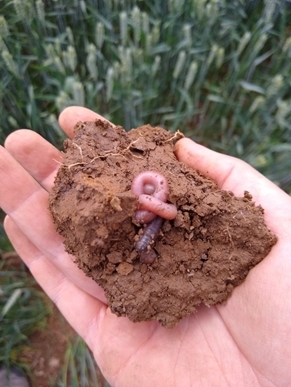
During drought, many earthworms move deeper into the soil where conditions are cooler and damper. This works well for short periods of time, but as drought continues, soil moisture reduces even at depth. There is also much less food available, particularly for those species of worm that like to live in the top layers of soils. Worms compensate for this by reducing their activity. Some species can enter a dormant state, curling into a ball and covering themselves in a mucus layer to preserve their remining moisture. However, over prolonged or severe drought even this strategy might not ensure survival.
Earthworms are often described as ‘ecosystem engineers’, they play a vital role in creating channels through the soil, improving aeration, drainage and water infiltration, while their feeding and casting help break down organic matter and cycle nutrients. There are in fact many species of earthworms, which can be broadly divided into three functional groups. Each group occupies a different part of the soil and plays a distinct but equally important role in maintaining soil structure, improving drainage and cycling organic matter. To find out more about the different types of earthworm and the important jobs they do, see the GWCT article ‘In praise of Britain’s favourite invertebrate; the Common Earthworm, and its fantastic family’.
However, the crucial role earthworms play in our soil ecosystems could come under increasing pressure if more frequent and prolonged droughts reduce their populations. Fewer earthworms could mean fewer soil channels, reducing the soil’s pore network needed to absorb, store and move water. Reduced earthworm activity could also slow the breakdown and incorporation of organic matter, affecting the wider community of soil organisms that depend on it and reducing the soil’s capacity to hold moisture within the spongy organic matter fraction. Soil biology also plays an important role in maintaining aggregate stability, with microorganisms producing compounds that help bind soil particles together. If this biological activity declines, soil structure can become less stable, leaving soils more vulnerable to the impacts of both prolonged drought and intense rainfall when the rain eventually returns.
 The good news is that there are ways we can help build soils that are more resilient. Within arable fields, keeping soil covered with crops, cover crops or crop residues can shelter soils from moisture loss whilst providing food for soil organisms. Reducing unnecessary soil disturbance and avoiding compaction can also create better conditions for earthworms and other soil life. Outside of fields, permanent vegetation such as grass margins, hedges and tree or shrub belts can provide important refuges for soil organisms during drought. Earthworms and other soil invertebrates can then quickly recolonise the middle of fields from these areas, rather than waiting for the slower process of natural population rebuilding. The shorter the distance from these areas to the field the faster the recolonisation, which is why features like beetle banks or even agroforestry strips breaking up larger fields are a great way of boosting resilience, particularly in drought conditions.
There is also a wider landscape risk associated with prolonged drought. Very dry vegetation and soils can increase the risk and severity of wildfires, as we have seen during recent periods of extreme summer weather. If fires become intense enough, they can directly affect the life within the soil, including earthworms and other invertebrates that are unable to escape quickly from fast-moving flames. The impacts can continue long after the fire has passed. The loss of vegetation, organic matter and leaf litter leaves the soil exposed to erosion and further drying, while the reduction in plant material also removes an important food source for soil biology. Wildfires can also result in the loss of well-established trees and hedgerows, removing valuable habitats, carbon stores and the roots that help protect and structure the soil.
Ultimately, building resilience to drought starts with looking after the soil beneath our feet. Maintaining soils with good organic matter, structure and water-holding capacity provides the foundations for a thriving soil biology. At the Allerton Project, we are particularly interested in how land management can support this living system and help soils cope with increasingly variable weather. Earthworms provide a valuable window into the health of the soil beneath us, and supporting healthy earthworm populations is about creating the conditions for a diverse and active soil community that can help maintain soil function, support productive farming and build resilience for the future.