Latest News
-
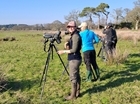
The Easter Special episode of BBC’s Countryfile was a true highlight of the holidays, featuring the conservation work behind thriving populations of lapwing and hares – both signs of spring across our countryside.
-

The launch of a groundbreaking farmer-led, catchment-scale conservation plan has been made possible by the formation of the Environmental Farmers Group. The EFG’s first Environmental Transition Plan measures the government’s goals of reversing biodiversity decline, improving water quality and reducing greenhouse gas emissions against the stated commitment of EFG members in the Hampshire Avon catchment and demonstrates the farmers’ potential to meet and beat them.
-

The Game & Wildlife Conservation Trust Cymru has been awarded nearly £1m of government funding for a project aimed at halting the decline in curlew in Wales – a bird set to become extinct as a breeding population by 2033 if current trends continue.
-

Last chance to nominate your conservation heroes for the 2026 Schöffel Countryside Awards – in partnership with the GWCT
-
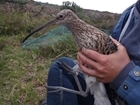
A female curlew at the centre of a study by GWCT has broken the UK longevity record at the age of nearly 34.
-
The national annual census of farmland birds – the Big Farmland Bird Count – is being extended by a week to give more farmers, land managers and other ‘working conservationists’ a chance to get out onto their land to count their birds.
-

The 2025 winners of the prestigious Purdey Awards for Game and Conservation were crowned at a ceremony in London on 10 February.
-

The national annual census of farmland birds – The Big Farmland Bird Count – is now underway and farmers, land managers and other ‘working conservationists’ up and down the country are encouraged to get out onto their land to count their birds over the next two weeks.
-

The start of the national annual census of farmland birds – The Big Farmland Bird Count – begins in a week’s time and this year it is running on a new digital platform.
-

The Game & Wildlife Conservation Trust (GWCT) is delighted to announce the expansion of its ambassadorial programme with the appointment of a new ambassador – Chelsea King.
Get the Latest News & Advice
Join over 100,000 subscribers and stay updated on our latest advice, research, news and offers.
*You may change your mind any time. For more information, see our Privacy Policy.